Dental Emergency Slot Management for Busy Clinics
Protect urgent dental capacity with clinical triage rules, reserved slots, escalation, communication and utilization review.
ChamberBD Editorial Team
· 8 min read
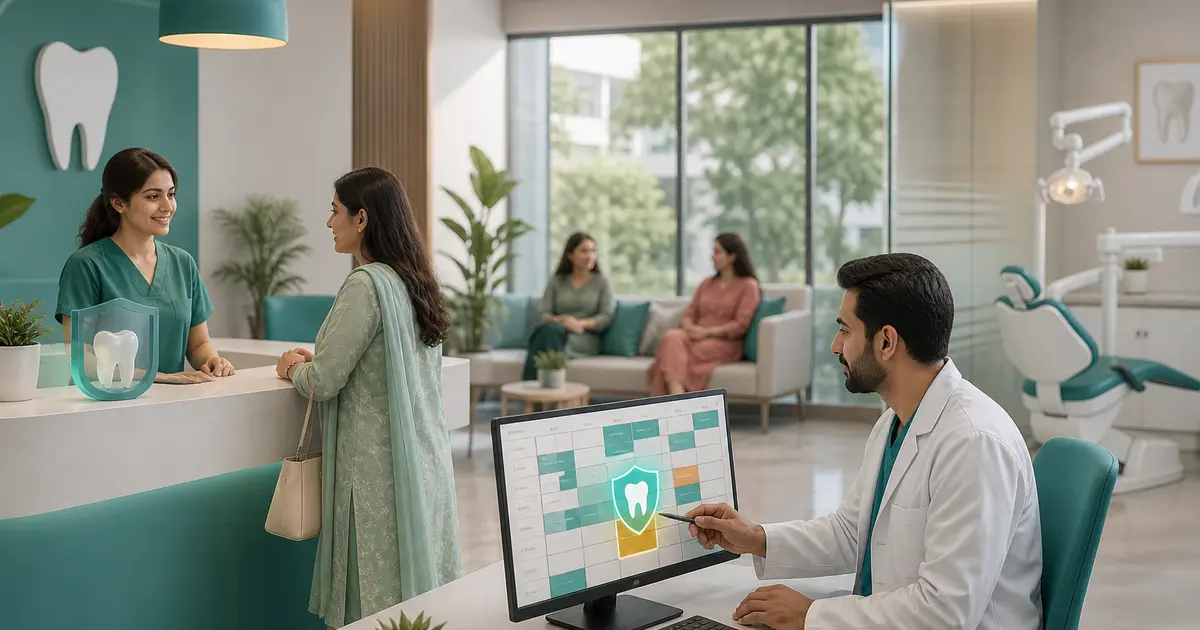
An emergency slot should not mean whoever calls most urgently gets the first chair. Reception needs a safe route to collect limited information, a clinician needs to set urgency, and the schedule needs protected capacity with a clear release time.
Quick answer: Use a brief approved intake, escalate red flags to a clinician, reserve capacity by historical demand, label scope and duration, release unused blocks at a set time, and record outcomes for weekly capacity review.
Why this workflow matters
-
Clinical triage stays with an authorized clinician instead of placing diagnosis decisions on reception.
-
Protected capacity reduces disruptive insertion of urgent cases into long procedures.
-
Outcome data shows whether emergency blocks are too small, too large or used for non-urgent convenience.
Step-by-step workflow
1. Define the urgent intake
Reception records identity, contact, broad complaint, onset, relevant alert and availability using an approved script. It does not promise diagnosis or treatment.
2. Escalate clinical risk
A dentist or authorized clinician reviews defined red flags and decides the appropriate timing or referral. Record decision, time and advice communicated.
3. Protect appropriate capacity
Use prior demand to reserve one or more flexible blocks by provider and chair. Include setup, imaging possibility and turnover instead of reserving only face-to-face minutes.
4. Book with a clear scope
Tell the patient whether the visit is assessment, pain-focused care or a planned procedure. Provide arrival instructions, expected documents and approved fee information.
5. Release and review
At a fixed cutoff, release unused capacity to the waitlist. Record attended outcome, actual duration, same-day referral and follow-up need for capacity review.
Required fields and controls
| Control | Working rule |
|---|---|
| Reception script | Collect minimum facts and route; do not diagnose. |
| Clinical decision | Record reviewer, priority, time and communicated action. |
| Protected block | Assign provider, chair, scope and release cutoff. |
| Outcome | Track actual use, duration, referral and planned follow-up. |
Numbers worth reviewing
| Measure | Definition |
|---|---|
| Urgent demand | requests by day, time and clinician-assigned priority |
| Time to clinical review | request logged to clinician decision |
| Block utilization | used urgent minutes ÷ protected urgent minutes |
| Displaced care | planned visits delayed or moved for urgent insertion |
Common mistakes and safeguards
-
Letting reception label a condition as clinically urgent from a free-text message.
-
Keeping emergency blocks hidden until they expire, so the waitlist cannot use them.
-
Booking a full procedure when the available slot is designed only for assessment.
A practical 30-day rollout
-
Map the current urgent-slot process, record a baseline and name one accountable owner.
-
Pilot the new controls with one urgent-slot team; do not migrate every old record at once.
-
Review exceptions, staff feedback and mismatched records; then simplify fields that nobody can verify.
-
Approve a short SOP, train every role, record sign-off and schedule the first monthly audit.
Where software helps
ChamberBD Dental can show protected blocks, route urgent intake to the clinician, timestamp decisions and release unused capacity to a waitlist. Clinical urgency and referral remain professional decisions under the clinic’s approved protocol.
Related guides and next steps
Use the following dental clinic resources to connect this workflow with the rest of your operating system.
This article provides operational education, not individualized clinical, legal or accounting advice. An authorized person should adapt the policy to the organization’s services, risks and applicable requirements.
Implementation checkpoint
Pilot urgent-slot before a full rollout.
Accountable owner
Assign a clinical triage owner and a scheduling lead.
Evidence to keep
Keep intake, clinician decision, booking scope, timestamps and visit outcome.
Minimum review note
Review urgent demand, decision time and displaced visits weekly.
Frequently asked questions
How many emergency slots should a dental clinic keep?
Use the clinic's own demand by day and time, available clinician coverage and procedure mix. Start with a small protected block and adjust from measured use and displaced care.
Can reception decide whether a case is urgent?
Reception can collect approved information and escalate. A qualified, authorized clinician should make clinical urgency and referral decisions.
When should an unused urgent slot be released?
Set a cutoff that still gives waitlisted patients realistic travel and preparation time, then apply it consistently.
Run your dental clinic on autopilot
ChamberBD Dental handles tooth charts, treatment plans, chair scheduling, lab work tracking and billing with installments & dues — from ৳500/month, in বাংলা and English.